
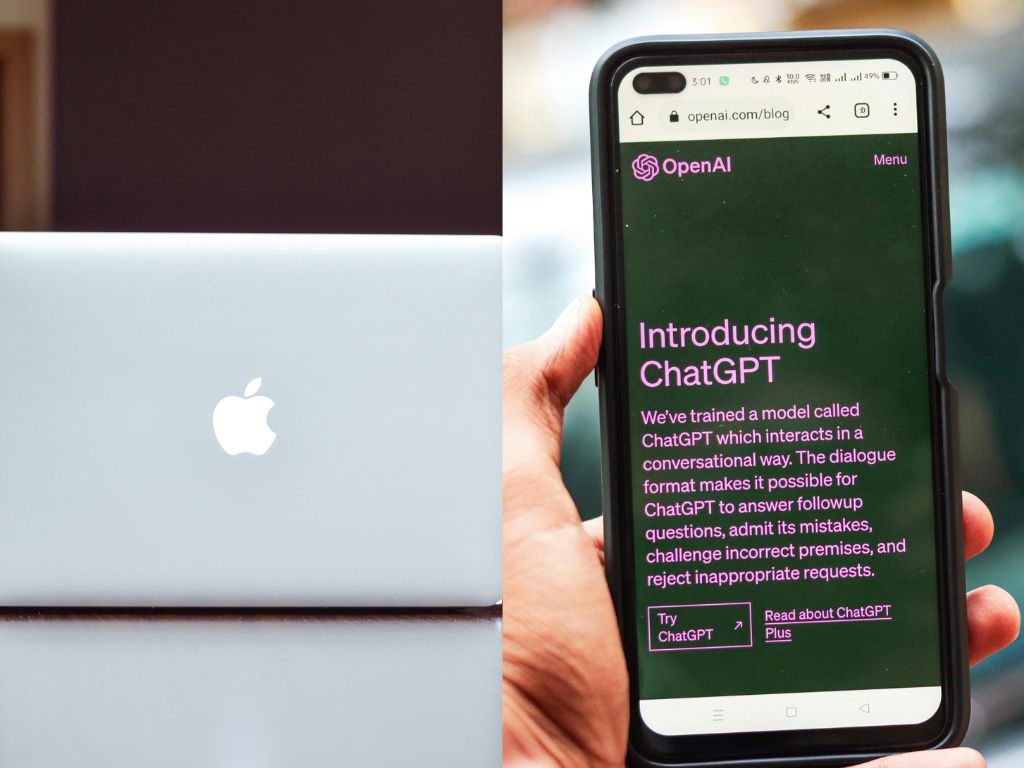
In the world of big tech, partnerships can turn into stakes rivalries overnight. Just two years after announcing a high-profile integration of ChatGPT into its operating systems, Apple has filed a bombshell federal lawsuit against OpenAI, its hardware subsidiary io Products, and two former senior Apple engineers.
The 41-page complaint, filed in the U.S. District Court for the Northern District of California, accuses OpenAI of orchestrating a systematic, institutional effort to misappropriate Apple’s trade secrets to jumpstart its own consumer hardware division.
It highlights the extreme risks companies face when talent poaching crosses the line into industrial espionage, and why every business must aggressively safeguard its confidential assets during employee exits.
“Show and Tell” Interviews and Network Bugs
According to Apple’s complaint, OpenAI sought to expand beyond AI software into physical consumer devices. To do this, it resorted to taking unlawful shortcuts by tapping into both Apple’s talent pool and its proprietary playbook.
At the center of the lawsuit are two former high-level Apple employees:
Tang Yew Tan. Apple’s former Vice President of Product Design for the iPhone and Apple Watch. He left after 24 years to become OpenAI’s Chief Hardware Officer. Apple alleges that before leaving, Tan emailed himself confidential supplier data and later directed job candidates still working at Apple. The purpose? To bring “actual parts,” prototypes, and CAD files to OpenAI job interviews for “show and tell” sessions.
Chang Liu. A senior electrical engineer who joined OpenAI after eight years at Apple. Apple claims Liu failed to return his work laptop upon departure. Subsequently, he exploited a rare authentication flaw to access Apple’s internal network remotely, allegedly downloading dozens of confidential hardware files. One collection exceeded 1,000 pages.
The lawsuit further alleges that OpenAI:
- used insider terminology to probe Apple’s longtime battery suppliers and
- tricked a metal-finishing partner into performing proprietary techniques under the false impression that Apple authorized the work.
DTSA and Institutional Misconduct
Apple filed six distinct counts against OpenAI and the named individual defendants. Their claims were asserted under the federal Defend Trade Secrets Act (DTSA) as well as state breach-of-contract laws. Under the DTSA, a company can be held directly liable if it knowingly accepts, encourages, or benefits from trade secrets stolen by newly hired talent.
The complaint frames the issue not as isolated misconduct by rogue employees, but as a “coordinated pattern of misconduct at an institutional level.” Apple is seeking injunctive relief and massive monetary damages, which threatens to disrupt OpenAI’s hardware ambitions – not to mention casting a shadow over its corporate governance.
OpenAI spokesperson Drew Pusateri stated that the company is reviewing the filing and has “no interest in other companies’ trade secrets.”
Vital Lessons from the Apple v. OpenAI Fallout
Businesses hire from competitors all the time. Likewise, employees will always be coming and going. Because of this, there are several lessons that all leaders should take to heart.
Onboarding Protocols Must Be Watched. Encouraging candidates to bring work samples, CAD files, or physical prototypes into job interviews creates immense legal liability. Hiring managers must be trained to explicitly instruct candidates not to disclose or bring proprietary materials from prior employers.
Close Technical Doors Immediately. Offboarding procedures must go beyond collecting keycards. Apple’s allegation that a departed employee accessed internal servers via a network flaw underscores the necessity of immediate, automated IT access revocation and comprehensive device auditing as soon as an employee resigns.
Third-Party Suppliers Are Vulnerable Points. Trade secrets are not just stored on internal servers, but across your supply chain. Companies should ensure manufacturing partners, vendors, and suppliers are bound by strict NDAs that prohibit sharing specialized manufacturing techniques with third parties.
As AI developers move rapidly into hardware markets, the line between aggressive recruitment and trade secret theft has become a critical battleground. Protecting your competitive advantage requires vigilant data governance, ironclad employment agreements, and a willingness to enforce your rights when proprietary boundaries are crossed.
Whether you are navigating a high-stakes trade secret dispute, establishing competitive hiring protocols, or looking to protect proprietary technical data, we can help. Schedule a consultation today.